

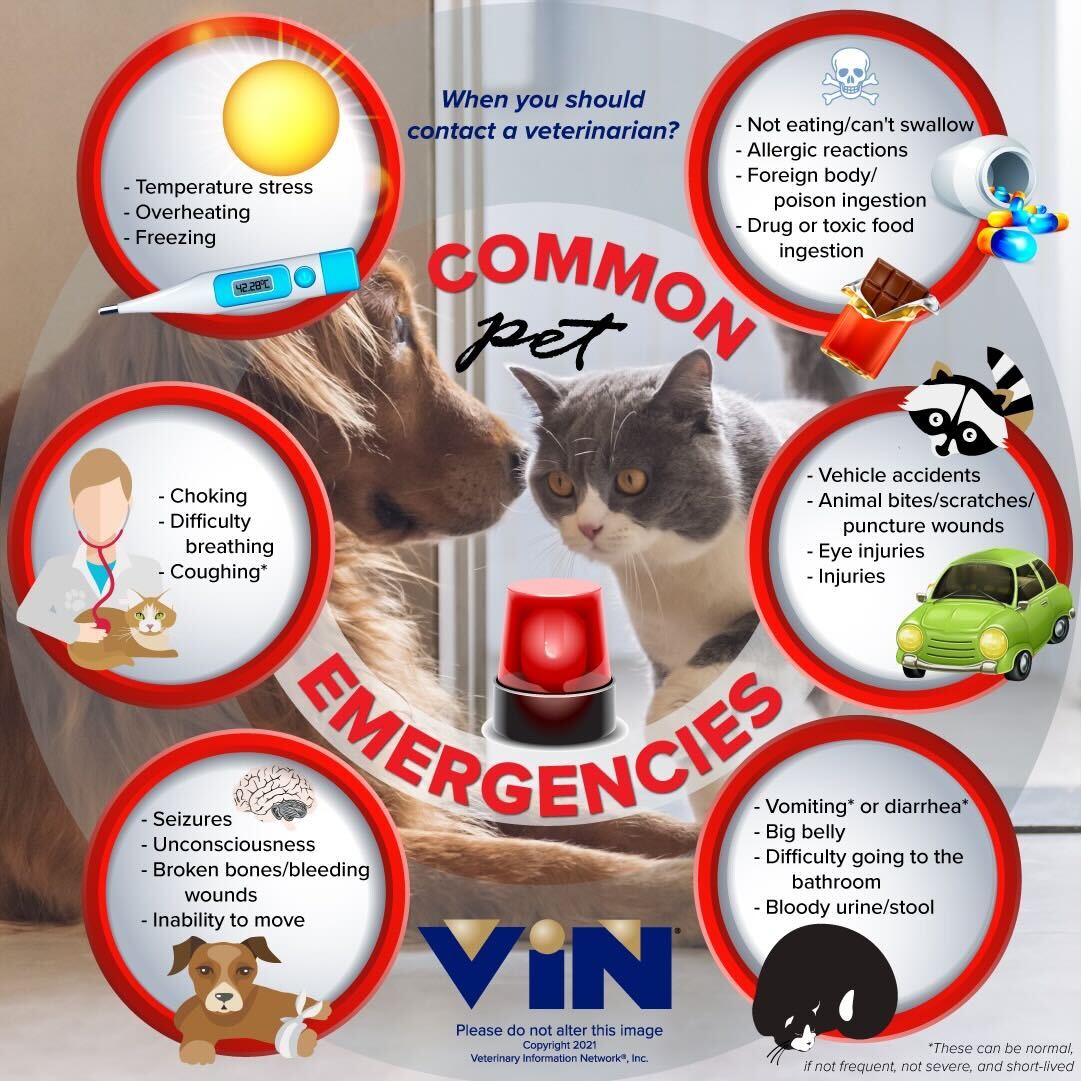
When Should You Take Your Pet to an Emergency Vet?
Sudden or severe changes in your pet's health can require prompt veterinary attention. Knowing some important warning signs can help you decide when to contact a veterinary professional or emergency veterinary service.
When in doubt, seek veterinary guidance
If your pet suddenly appears seriously unwell, has difficulty breathing, collapses, has severe bleeding, experiences a seizure, suffers significant trauma, or may have been exposed to a potentially harmful substance, contact a veterinary professional promptly.
Warning Signs That May Need Urgent Attention
Some symptoms can indicate that a pet needs immediate assessment. The following signs should be treated seriously, particularly when they appear suddenly or are severe.
Difficulty Breathing
Breathing difficulty, unusual breathing effort or significant changes in breathing should be assessed promptly.
Collapse or Severe Weakness
Sudden collapse, inability to stand or significant weakness can require urgent veterinary attention.
Significant Bleeding
Heavy or uncontrolled bleeding should be treated as an urgent veterinary concern.
Seizures
A seizure, particularly if prolonged, repeated or accompanied by other concerning symptoms, warrants veterinary guidance.
Serious Injury or Trauma
Significant falls, vehicle accidents, bites or other major injuries should be assessed by a veterinary professional.
Suspected Poisoning
If your pet may have swallowed or been exposed to a potentially harmful substance, seek veterinary guidance promptly.
Difficulty Breathing
Changes in breathing can have many possible causes. If your pet is struggling to breathe, breathing unusually hard, or showing a sudden significant change in breathing, seek veterinary attention promptly.
Collapse, Weakness or Inability to Stand
Sudden collapse or severe weakness can be associated with a number of medical conditions. A pet that suddenly cannot stand normally or appears severely weak should be assessed by a veterinary professional.
Severe Bleeding or Significant Injury
Significant bleeding, serious wounds, major falls, vehicle accidents or other traumatic injuries can require urgent veterinary care. Contact a veterinary professional for instructions on what to do while arranging care.
Seizures
If your pet experiences a seizure, keep the area around them clear so they are less likely to be injured. Do not place your hands near their mouth. Contact a veterinary professional for guidance, particularly if the seizure is prolonged, repeats, or your pet does not return to their normal state.
Suspected Poisoning or Harmful Exposure
If you suspect that your pet has swallowed or been exposed to a potentially harmful substance, seek veterinary guidance promptly. Keep the packaging or information about the substance available if possible so it can be identified by the veterinary team.
What to Have Ready When Seeking Veterinary Help
- Describe what happened and when the problem started.
- Note any changes in breathing, appetite, activity, behaviour or consciousness.
- Tell the veterinary team about any known injuries or possible exposure to substances.
- Bring packaging or product information if poisoning or exposure is suspected.
- Follow the veterinary team's instructions while arranging appropriate care.
Do Not Rely on Online Information Alone
Online articles can help explain general warning signs, but they cannot determine the cause or severity of a problem in an individual pet. Symptoms can have different causes and may require an examination, diagnostic testing or other veterinary assessment.
When Should You Contact a Veterinary Professional?
If you are concerned that your pet may be seriously unwell, contact your veterinary team or an appropriate emergency veterinary service for guidance. For sudden or potentially life-threatening symptoms, seek urgent veterinary attention rather than waiting for the condition to resolve on its own.
Frequently Asked Questions About Pet Emergencies
What are common signs that a pet may need emergency veterinary care?
Potential emergency warning signs can include difficulty breathing, collapse, severe bleeding, seizures, sudden inability to stand, severe pain, significant trauma or suspected poisoning. Contact a veterinary professional or emergency veterinary service promptly if you are concerned.
What should I do if my pet is having a seizure?
Keep your pet away from objects that could cause injury and avoid putting your hands near the mouth. Contact a veterinary professional for guidance, particularly if the seizure is prolonged, repeated or accompanied by other concerning signs.
Should I wait to see if my pet's emergency symptoms improve?
If your pet has sudden, severe or potentially life-threatening symptoms, seek veterinary guidance promptly rather than relying on online information or waiting for symptoms to resolve.
Concerned About Your Pet?
Contact the South Delta Animal Hospital veterinary team for guidance about your pet's health.